Boldris: A Handwritten Font for Crafters
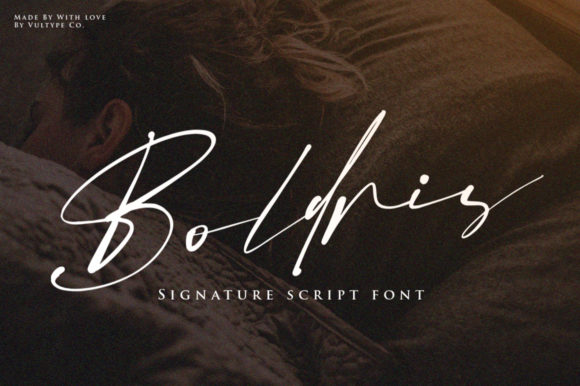
As a maker who spends hours perfecting the curve of a candle label or the spacing on a wedding invitation, I know that typography is not just an afterthought. It is the voice of your brand. When you are selling physical goods or digital printables, the typeface you choose communicates quality before the customer even reads the words. This is why discovering Boldris felt like finding a missing piece in my design toolkit. It is an exquisite handwritten font that manages to bridge the gap between traditional calligraphy and modern minimalism, making it a versatile asset for any creative entrepreneur.
In the world of Script Amp and premium Fonts, it is rare to find a typeface that feels both personal and professional. Boldris achieves this balance effortlessly. It maintains its classy calligraphic influences while feeling contemporary and fresh. For those of us running small shops, whether on Etsy, at local craft fairs, or through our own websites, having a font that can adapt to various mediums without losing its charm is invaluable.
Elevating Product Presentation with Modern Typography
The first thing customers notice about a handmade product is often the packaging or the label. A generic font can make a high-quality item feel mass-produced, while a well-chosen script font can elevate a simple item into a luxury gift. Boldris excels in this area because of its fluid strokes and organic rhythm. It does not look like a computer-generated imitation of handwriting; it looks like it was written with intention.
Consider using Boldris for boutique product labels. Whether you are designing stickers for soy candles, tags for handmade jewelry, or labels for artisanal soaps, this font adds a layer of sophistication. The varying stroke weights create a dynamic visual interest that draws the eye. When printed on textured paper or clear vinyl, the nuances of the letterforms stand out, enhancing the perceived value of your goods. It is not just about aesthetics; it is about brand identity. Consistent use of a distinctive typeface like Boldris helps customers recognize your products instantly, building loyalty and trust.
Versatility Across Handmade Projects
One of the most compelling aspects of Boldris is its adaptability across different craft categories. It is not limited to one specific style or occasion. Here is how you can integrate this creative font into various aspects of your business:
- Wedding Stationery: The elegant flow of Boldris makes it ideal for wedding invitations, save-the-dates, and place cards. It pairs beautifully with floral motifs and minimalist layouts, offering a romantic yet clean look.
- Home Decor and Signs: For those using Cricut or Silhouette machines, Boldris works wonderfully for wooden signs, wall art, and vinyl decals. Its connected letters create a seamless look that is perfect for phrases like "Welcome," "Love," or family names.
- Digital Printables: If you sell planner pages, greeting cards, or printable wall art, Boldris adds a human touch to digital designs. It breaks up the rigidity of standard sans serif fonts, making your templates feel more inviting and personalized.
- Apparel and Merchandise: When applied to tote bags, t-shirts, or mugs, the font’s bold yet graceful characters ensure readability from a distance. It strikes the right balance between decorative and legible, which is crucial for merchandise.
Readability and Practical Design Tips
While beauty is essential, functionality is paramount for commercial success. A common pitfall with script fonts is poor readability, especially at smaller sizes. Boldris is designed with clarity in mind, but as creators, we must still apply best practices. This font shines best when used for short phrases, names, titles, and decorative wording. It is a display font, meaning it is intended to grab attention rather than carry long paragraphs of text.
When creating product labels or small stickers, test your designs at actual size. Ensure that the intricate swashes and ligatures do not become muddy when printed small. If you are cutting vinyl, pay attention to the connections between letters. Boldris generally handles well with cutting machines, but always perform a test cut on scrap material to adjust pressure and speed settings. For digital downloads, provide mockup previews that show the font in context, helping customers visualize how it will look on their own projects.
Mastering Font Pairing for Brand Consistency
No font exists in isolation. To create cohesive designs, you need to pair Boldris with complementary typefaces. Since Boldris is a handwritten font with strong personality, it pairs best with clean, understated fonts. A simple sans serif font works beautifully for body text or secondary information, providing a modern contrast to the organic curves of the script. Alternatively, a classic serif font can add a touch of tradition and warmth, suitable for vintage-inspired brands.
Avoid pairing Boldris with other overly decorative or complex scripts, as this can create visual clutter. The goal is to let Boldris be the star while the supporting font provides structure and readability. This approach ensures that your logo design, packaging design, and social media graphics remain clean and professional.
Technical Features and Commercial Licensing
Before incorporating any new asset into your workflow, it is important to understand its technical capabilities. Boldris comes with a range of features that enhance its usability. Look for included alternates, ligatures, and swashes that allow you to customize the look of your text. These features enable you to create unique compositions, ensuring that no two designs look exactly alike. Check the file formats provided, such as OTF and TTF, to ensure compatibility with your preferred design software, whether it is Adobe Illustrator, Photoshop, Canva, or Procreate.
Multilingual support is another key consideration if you serve a global audience. Verify if Boldris includes the necessary characters for the languages your customers speak. This inclusivity can expand your market reach and make your products more accessible.
Finally, always review the commercial font licensing terms. As sellers of physical products, templates, and digital downloads, you need to ensure that your license covers commercial use. Most premium fonts offer specific licenses for selling end products like mugs, shirts, and prints. Understanding these terms protects your business and respects the work of the type designer. Using licensed assets correctly is a cornerstone of professional practice in the creative industry.
Incorporating Boldris into your design arsenal can transform the way your products are perceived. It offers the warmth of handwriting with the precision of modern typography, making it a true favorite for crafters and designers alike. By leveraging its versatility, readability, and aesthetic appeal, you can create designs that resonate with customers and elevate your brand identity. Whether you are crafting a single invitation or designing a full product line, Boldris provides the artistic foundation needed to make your work stand out in a crowded marketplace.